The Best Audio PC Studio Setups That Deliver Stability and Performance
Creating the best audio PC studio setup requires a careful balance between stability, performance, and sound fidelity. At the core of any high-functioning studio is a reliable computer system that can handle demanding audio production software without lag or crashes. This means investing in a powerful processor capable of managing multiple audio tracks and effects in real-time. Equally important is ample RAM, which ensures smooth multitasking and prevents slowdowns during complex projects. A fast, solid-state drive SSD is essential for quick access to large audio files and sample libraries, minimizing loading times and enhancing workflow efficiency. Equally vital to performance is the quality of the audio interface, which acts as the bridge between the computer and external audio equipment. A low-latency interface with high-resolution converters will preserve the integrity of the sound, delivering clear and accurate audio signals. Stability in drivers and firmware ensures that the connection between hardware and software remains seamless, avoiding interruptions during recording or mixing sessions.
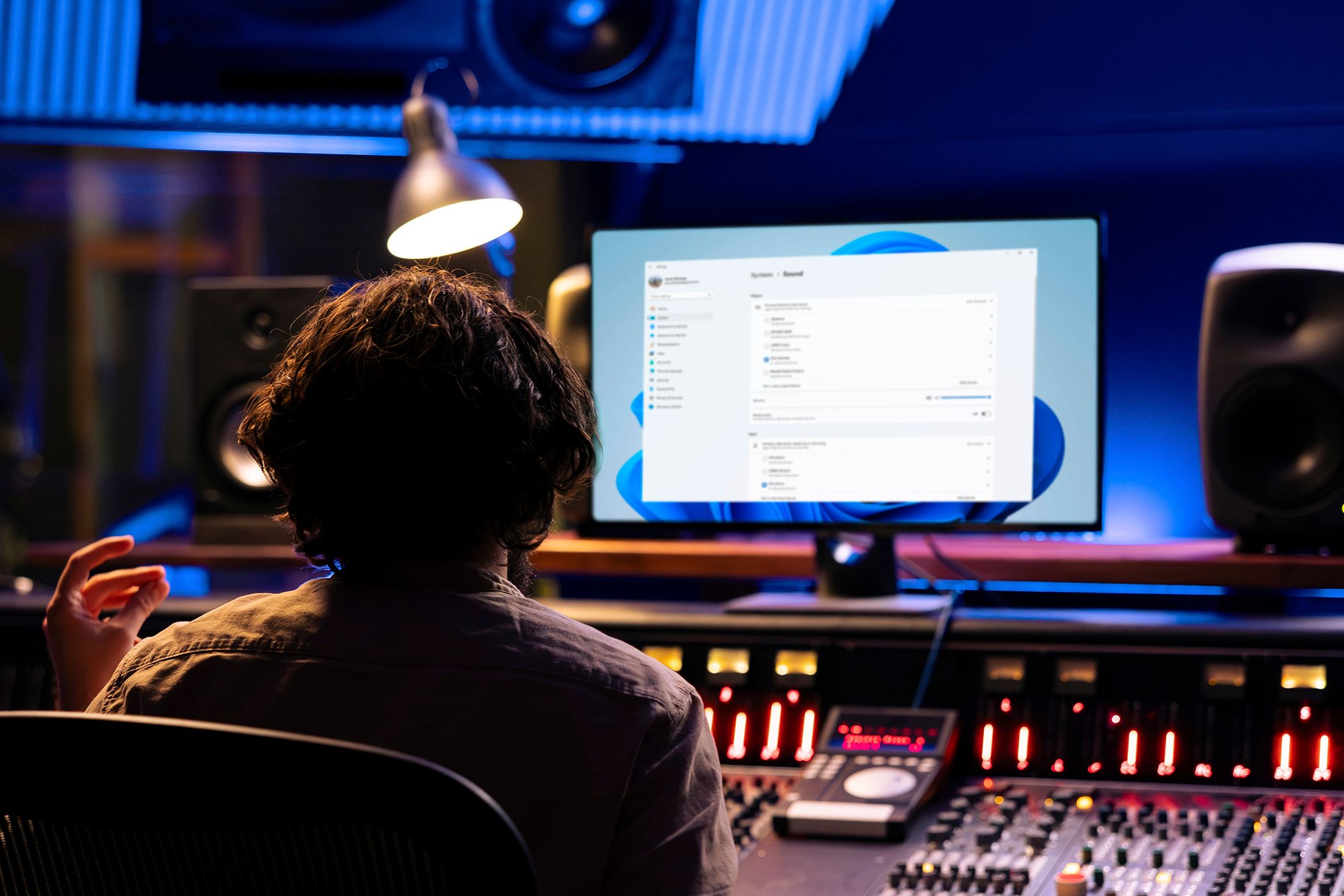
Additionally, multiple input and output options allow for flexibility in routing audio signals and connecting various instruments or microphones, enhancing creative possibilities. Complementing the core hardware, studio monitors and headphones play a crucial role in achieving precise sound reproduction. Monitors with a flat frequency response enable producers to hear audio as accurately as possible, preventing the masking of any frequencies that might require adjustment during mixing. High-quality headphones offer detailed sound for tracking and editing, especially in environments where monitors may not be practical. Positioning monitors correctly and treating the room acoustically are also key steps toward creating an environment where sound can be analyzed and adjusted reliably. An efficient setup also includes a well-configured digital audio workstation DAW optimized for the system’s specifications. Choosing the right DAW that fits the user’s workflow and audio needs ensures better control over recording, editing, and mixing processes.
Customizing buffer sizes and sample rates within the software helps strike a balance between latency and CPU load, contributing to system stability during intensive tasks. Plugins and virtual instruments, when selected and managed properly, enhance the creative palette without overloading the computer’s resources. Power management and connectivity should not be overlooked in a professional studio setup. Using uninterruptible power supplies UPS protects equipment from sudden power loss, preventing data corruption and hardware damage. Reliable cabling and connectors ensure stable signal flow and reduce the risk of interference or dropouts. Regular maintenance, including software updates and hardware checks, keeps the system running smoothly and extends the longevity of the investment. The best Audio PC studio setups blend powerful, stable hardware with carefully tuned software and acoustics to provide unmatched performance. Every component must work in harmony to deliver flawless recording, mixing, and mastering experiences. By focusing on these key elements, creators can build a setup that not only meets their current needs but is scalable for future advancements in audio technology.